Beautiful Watercolor Elephant Graphic: Illustrations Review
As a digital product creator who manages multiple storefronts across Etsy and Creative Fabrica, I approach every new graphic design asset with a critical eye. It is not enough for an image to be aesthetically pleasing; it must be commercially viable. When evaluating the Beautiful Watercolor Elephant Graphic for my upcoming nursery and wildlife-themed collections, my primary focus was on versatility and technical integrity. This review breaks down how this specific illustration performs in real-world selling scenarios, from print-on-demand merchandise to editable Canva template kits.
First Impressions and Niche Marketability
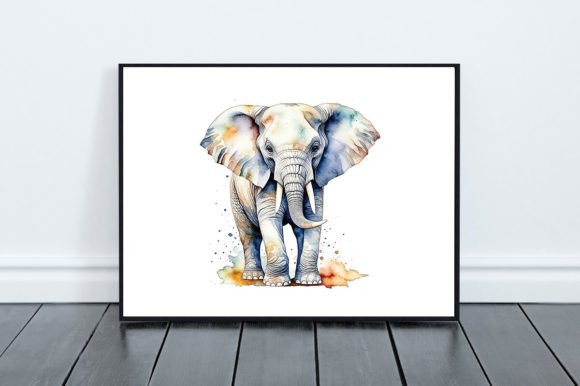
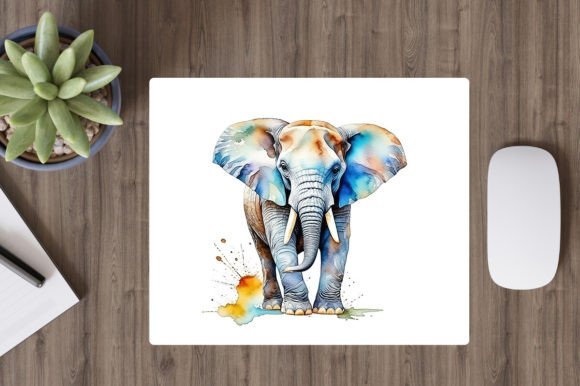
Upon opening the file, the immediate impression of the Beautiful Watercolor Elephant Graphic is one of soft elegance mixed with playful charm. The brushwork suggests a hand-painted origin rather than a digital filter, which is a significant selling point for buyers seeking authentic handmade business aesthetics. The color palette leans toward muted earth tones and gentle pastels, positioning it perfectly for the baby shower, nursery decor, and children’s book niches.
For sellers targeting the "safari nursery" or "boho baby" keywords, this asset hits the right emotional notes without being overly cartoonish. It strikes a balance that appeals to modern parents who want whimsy without clutter. However, because the style is distinctly soft, it may not suit bold, high-contrast streetwear or aggressive marketing campaigns. Understanding this mood is essential before adding it to your design bundle. It attracts buyers looking for tenderness and organic textures, making it ideal for small business branding in the maternity, parenting, and eco-friendly product spaces.
Testing Across Digital and Physical Products
A beautiful file is useless if it fails during production. I tested the Beautiful Watercolor Elephant Graphic across three distinct product categories to verify its commercial utility.
Printable Wall Art and Planner Stickers
For printable design products, resolution is non-negotiable. I scaled the graphic up to 16x20 inches at 300 DPI to check for pixelation or artifacting. The watercolor edges remained crisp, and the color gradients did not band, which is a common issue with lower-quality scans. This makes it highly reliable for Etsy product listings featuring large-format nursery prints. For planner stickers, I reduced the size significantly. The details held up well, though I would advise against using it for micro-stickers under 1 inch, as the delicate watercolor texture can become muddy at tiny scales.
Sublimation and Apparel Design
I imported the PNG design into my sublimation workflow to test fabric transfer viability. Watercolors can sometimes look washed out on polyester blends, but this graphic has sufficient saturation to translate well onto white tumblers and tote bags. For t-shirt design, specifically on cotton, the soft edges blend beautifully with the fabric grain. However, sellers should note that this asset lacks a solid outline. If you are creating apparel for dark garments, you will need to add a white underbase or choose designs specifically meant for light backgrounds to maintain visibility.
Cricut Projects and SVG Cut Files
This is where caution is required. While the Beautiful Watercolor Elephant Graphic is stunning as a raster image, converting complex watercolors into clean SVG design files for cutting machines is challenging. The organic, bleeding edges of watercolor do not always translate to smooth vector paths. If you intend to sell this as a cut file for Cricut project users, you must manually trace and simplify the shape. Do not rely on auto-trace features, as they will create jagged, uncuttable nodes. For paper crafting and scrapbooking kits, however, the printable PNG version is flawless.
Optimizing Listing Presentation and Mockups
In the competitive creative marketplace, your thumbnail determines your click-through rate. The visual hierarchy of your listing images matters immensely. I found that the Beautiful Watercolor Elephant Graphic performs best when centered on clean, white, or cream-colored mockups. Placing it on busy, patterned backgrounds distracts from the intricate brushwork and reduces perceived value.
When creating product mockup previews, pair this elephant with complementary serif or handwritten fonts. A bold sans-serif often clashes with the organic nature of the art. For social media graphics promoting your shop, use the elephant as a focal point in Instagram stories or Pinterest pins. The soft colors stop the scroll effectively in feeds dominated by harsh neon or high-saturation imagery. Additionally, showing the graphic in context—such as framed above a crib or printed on a ceramic mug—helps customers visualize the end result, bridging the gap between a digital download and a tangible keepsake.
Strategic Bundling and Commercial Application
Selling single assets can be difficult due to low price points. The real revenue potential lies in bundling. I recommend pairing the Beautiful Watercolor Elephant Graphic with matching foliage, other safari animals, or textured digital paper packs to create a comprehensive design bundle. This increases the average order value and provides more utility to the buyer.
For Canva template sellers, this illustration serves as an excellent decorative element for birth announcement templates or party invitation suites. Because the background is transparent, it integrates seamlessly into editable layouts. Just ensure you lock the layer in your template so customers do not accidentally distort the aspect ratio. For those offering commercial design services, this asset elevates brand identity projects for baby boutiques, pediatric clinics, or children’s authors who need consistent, gentle visuals across their packaging design and web presence.
Technical Due Diligence for Sellers
Before listing any clipart or illustration, run through this practical checklist to avoid customer service issues:
- Verify Transparency: Open the PNG in Photoshop or Procreate to ensure no hidden white pixels remain around the watercolor edges. Jagged white halos ruin the user experience for sublimation design buyers.
- Check Color Profiles: Confirm whether the file is RGB or CMYK. Most digital downloads are RGB, but if you market it specifically for professional printing, provide a CMYK version to prevent color shifting.
- Test Print Colors: Always print a physical copy. Screen brightness deceives. Ensure the blues and greens do not print too dark or lose detail in shadow areas.
- License Compliance: Double-check the commercial license terms. Can you use it on physical products? Is there a limit on sales units? Are you allowed to include it in digital templates? Clear licensing prevents legal headaches.
- File Organization: Name your files descriptively (e.g., "Watercolor-Elephant-Safari-Nursery-PNG.png") rather than generic codes. Customers appreciate organized design assets.
Where to Exercise Caution
While versatile, the Beautiful Watercolor Elephant Graphic has limitations. Avoid using it for intricate sticker cuts unless you add a solid offset border; the watercolor bleed makes precise die-cutting difficult. Be wary of placing text directly over the detailed body of the elephant, as readability suffers. Instead, utilize negative space around the animal for typography. Furthermore, if your target audience prefers minimalist, flat vector art, this textured style may feel too traditional. Know your niche before investing time in product creation.
Final Verdict for Digital Entrepreneurs
The Beautiful Watercolor Elephant Graphic is a strong contender for sellers in the nursery, stationery, and POD spaces. Its strength lies in its emotional resonance and high-resolution quality, making it suitable for premium printable wall art and heartfelt greeting cards. By respecting its technical constraints regarding cutting lines and contrast, and by presenting it through professional mockups and strategic bundles, this asset can become a reliable performer in your digital product catalog. Success comes not just from the art itself, but from how thoughtfully you integrate it into a cohesive, customer-ready product line.