Book Watercolor Clipart: An Embroidery Review
As a professional embroidery designer and product reviewer, I approach every new digital asset with a specific question: will this actually stitch out beautifully on fabric? When evaluating Book Watercolor Clipart, my assessment goes far beyond the screen. While these illustrations are visually charming in their digital format, translating the soft, blended aesthetic of watercolor into thread requires careful consideration. For Etsy sellers, craft business owners, and makers looking to create personalized gifts or custom apparel, understanding how this design behaves under the needle is crucial for producing a high-quality finished product.
First Impressions and Aesthetic Translation
My initial reaction to Book Watercolor Clipart is that it evokes a sense of nostalgia, academia, and cozy comfort. The visual personality is soft and organic, which immediately suggests specific use cases like nursery decor, library-themed merchandise, or vintage-style stationery. However, as an embroiderer, I know that watercolor gradients do not exist in thread. We are working with solid colors and texture. The success of this machine embroidery design relies entirely on how well the digitizer has interpreted those painterly washes into stitch density and color blending.
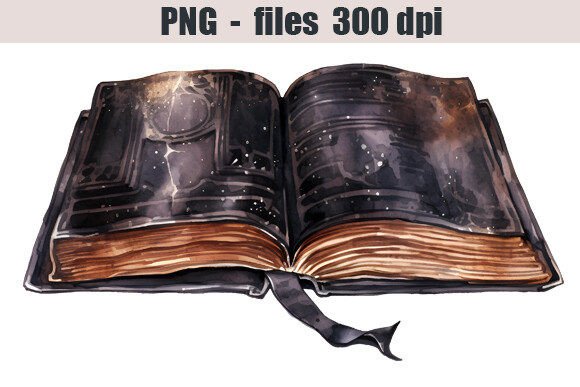
The layout typically features stacked or open books with floral or botanical accents. This composition is naturally balanced, which is excellent for hoop placement. Unlike rigid geometric logos, the organic edges of this illustration allow for some forgiveness during hooping, making it a friendly option for hobbyists and professionals alike. The mood is undeniably marketable, but the technical execution determines whether it becomes a bestseller or a source of frustration.
Real-World Application: The Custom Tote Bag Test
To truly evaluate this asset, I mentally placed it in a real-life scenario: creating a "Book Lover’s Market Tote" for a small shop product line. Canvas tote bags are a staple for craft businesses, but they present unique challenges. The fabric texture of canvas can sometimes swallow fine details, and the unstructured nature of a bag means the design must be legible from a distance.
In this application, Book Watercolor Clipart performs best when treated as a focal point rather than a subtle accent. If I were stitching this onto a natural cotton canvas, I would look for an embroidery file that utilizes fill stitches with varying directions to mimic the flow of watercolor paint. A flat, monotone fill stitch will make the book look like a cartoon clipart rather than a hand-painted illustration. For the tote bag project, I would pair the design with a simple running stitch border or a minimalist text element below it. This combination elevates the perceived value of the handmade product, turning a basic utility item into a boutique-worthy accessory that customers are willing to pay a premium for.
Apparel and Wearable Considerations
Moving from accessories to custom apparel, such as sweatshirt embroidery or baby clothes, the stakes change. Sweatshirts often have fleece interiors and stretchy knits that require robust stabilization. If the Book Watercolor Clipart design is too dense, it can create a stiff, bulletproof patch effect on a soft garment. I always check the stitch density before committing to a production run. For baby embroidery specifically, skin safety is paramount. Any applique design elements must be secured tightly, and the back of the embroidery should be smooth or covered to prevent irritation.
For holiday embroidery projects or personalized gifts, this design shines on linen tea towels or pillow covers. These stable fabrics hold detail exceptionally well, allowing the intricate layers of the book illustration to stand out without distortion. The key here is contrast; watercolor styles often rely on mid-tones, so testing thread colors against your specific fabric background is non-negotiable.
Navigating Technical Limitations and Fabric Choices
While versatile, Book Watercolor Clipart is not immune to the physical laws of embroidery. There are specific environments where this design demands caution:
- Small Hoop Sizes: Reducing a complex watercolor illustration to fit a 4x4 hoop often results in lost detail. Tiny lettering on book spines may turn into illegible blobs. Always verify the minimum recommended size in the digital embroidery file specifications.
- Textured Fabrics: On terry cloth or heavy linen, the delicate shading effects can get lost. You may need to increase stitch length or simplify color changes to maintain clarity.
- Stretchy Knits: Without proper stabilizer, the weight of dense fill stitches can distort the neckline of a t-shirt or the brim of a cap. Curved surfaces like caps are particularly risky for rectangular book shapes unless the design has been specifically digitized for curved hoops.
- Dark Fabrics: Watercolor aesthetics usually imply lightness. Stitching this on black or navy fabric requires a white underlay or a complete re-colorization to maintain the intended mood. Without this adjustment, the design may disappear into the garment.
Impact on Brand Value and Customer Trust
For creative entrepreneurs and digital product sellers, the quality of your embroidery directly reflects your brand. Using Book Watercolor Clipart effectively signals professionalism. When a customer receives a finished product where the thread work mimics the artistic intent of the original illustration, it builds trust. It shows that you understand your medium and haven't just slapped a graphic onto a shirt.
Conversely, poor translation leads to returns and negative reviews. If the satin stitch borders are gapping or the fill stitches are pulling the fabric, the item looks cheap regardless of the design's beauty. High-quality commercial embroidery requires respecting the relationship between the digital art and the physical output. This attention to detail is what separates successful Etsy sellers from hobbyists who struggle to scale.
Essential Designer Notes for Success
Before you load this design into your machine for a client order or shop inventory, follow these practical steps to ensure a professional result:
- Test Stitch First: Never skip this step. Use scrap fabric that matches your final project's weight and weave. Evaluate the registration and color blending in natural light.
- Analyze Stitch Types: Open the embroidery file in your software. Check if the watercolor effects are achieved through thread blending or simple color blocks. Adjust thread colors physically at the machine if the digital preview looks too harsh.
- Verify Licensing: Confirm whether your purchase allows for commercial embroidery of finished products versus selling the digital file itself. Protecting your business starts with respecting intellectual property.
- Create Accurate Mockups: Use printable mockup templates that reflect realistic fabric textures. This helps manage customer expectations regarding how watercolor translates to thread.
- Stabilizer Selection: Match your stabilizer to the fabric, not just the design. A tear-away might suffice for canvas, but a cut-away is likely necessary for knit sweatshirts to prevent puckering around the book edges.
Ultimately, Book Watercolor Clipart offers a beautiful foundation for embroidered goods, provided it is treated with technical respect. By understanding its behavior across different fabrics and applications, you can transform these digital illustrations into tangible, cherished items that resonate with book lovers and gift buyers alike. Whether you are crafting a personalized gift or building a seasonal collection, let practical judgment guide your needle to ensure every stitch tells the right story.