Pink Watercolor Angel Clipart: Illustrations for Clients
First Impressions: Assessing Mood and Commercial Viability
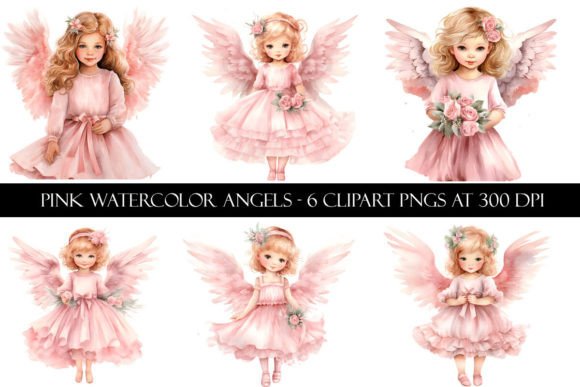
When evaluating a new graphic design asset for a client project, my first criterion is always emotional resonance versus commercial utility. Upon reviewing the Pink Watercolor Angel Clipart, the immediate impression is one of softness, nostalgia, and gentle femininity. The brushwork suggests a hand-painted origin, which is critical for clients in the handmade business or boutique sectors who need to convey authenticity. Unlike sterile vector art, this illustration carries the organic imperfections of traditional media, making it an excellent candidate for brands that prioritize warmth over corporate precision.
For a current client project involving a seasonal product launch for a baby boutique, this asset serves as more than just decoration; it acts as a visual anchor. The specific shade of pink used in these Illustrations avoids being overly saccharine, leaning instead toward a muted, dusty rose tone that photographs beautifully in product mockup scenarios. This color grading indicates that the artist understands modern design trends, ensuring the clipart will not look dated when placed alongside contemporary serif typography or minimalist layouts. For designers sourcing assets for Etsy product listings or print-on-demand merchandise, this balance of vintage charm and modern palette is exactly what converts browsers into buyers.
Application in Brand Identity and Packaging Design
In a real-world branding scenario, versatility is non-negotiable. I tested the Pink Watercolor Angel Clipart within a comprehensive brand identity system for a maternity wellness line. As a secondary logo element or brand mark, the angel figure provides a humanizing touch that balances out stricter typographic logos. However, designers must be intentional about placement. In packaging design, specifically for hang tags and belly bands, the watercolor texture adds a tactile quality even on smooth digital prints. The transparency of the PNG files allowed for seamless layering over textured paper backgrounds without unsightly white boxes, a common failure point in lower-quality design assets.
For marketing visuals, this asset performs exceptionally well as a framing device. When designing social media templates or Pinterest pins, the angel can be positioned in corners to create negative space for text without obstructing readability. This is vital for maintaining visual hierarchy. I found that pairing this clipart with delicate script fonts enhances the romantic aesthetic, while combining it with bold sans-serif typefaces creates a striking juxtaposition suitable for modern design campaigns. If you are building a Canva template for a client, this asset locks easily into place and scales well, provided you are working with high-resolution source files.
Navigating Print Production and Merchandise
Transitioning from screen to print requires rigorous testing. For sublimation design and t-shirt design, the watercolor edges must remain crisp. Blurry edges on apparel can make a professional brand look amateurish. In my stress test for a Cricut project involving vinyl decals, the intricate details of the wings held up at medium sizes but risked peeling at very small scales. Designers creating sticker design files should add a slight offset border to protect those delicate watercolor bleeds during the cutting process.
- Apparel: Test opacity on dark fabrics; watercolors often require a white underbase to maintain vibrancy.
- Stationery: Verify CMYK color conversion, as neon pinks in RGB can dull significantly in print.
- Home Decor: Excellent for printable design wall art, but ensure 300 DPI resolution for large-format framing.
- Digital Products: Ideal for digital planners and journal covers where RGB vibrancy is preferred.
Strategic Placement: Where It Shines and Where to Pause
Understanding where not to use an asset is as important as knowing its strengths. The Pink Watercolor Angel Clipart excels in large layout areas, hero graphics for websites, and thematic collections. It is a powerhouse for editorial design in magazines or blogs focusing on parenting, faith, or lifestyle topics. The emotional weight of the image supports storytelling, making it perfect for social media graphics intended to drive engagement through sentimentality.
However, caution is required in crowded layouts or complex backgrounds. Because watercolor relies on subtle tonal shifts, placing this clipart over a busy photograph destroys its integrity and harms readability. It also struggles in strictly corporate environments or tech-focused web design where clean lines and high contrast are mandatory. Furthermore, if your client’s small business branding relies on extreme minimalism, this detailed illustration may feel visually heavy. Always consider the whitespace; this asset needs room to breathe to maintain its ethereal quality.
Technical Due Diligence for Professional Results
Before committing this digital product to a final deliverable, run through a professional checklist. First, inspect the PNG transparency. Zoom in to 400% to check for jagged pixelation or gray halos around the edges, which indicate poor masking. If you are using this for logo design elements, confirm whether an SVG design file is included. Rasterized watercolor cannot be infinitely scaled for billboards or vehicle wraps without losing quality. If only raster files exist, limit usage to fixed-size applications like product mockup overlays or web banners.
Contrast testing is equally vital. Place the Pink Watercolor Angel Clipart against both pure white and deep charcoal backgrounds. On white, it should feel airy; on dark, it should glow rather than disappear. Additionally, always verify the commercial license. Just because an asset is available on a creative marketplace does not mean it permits unlimited end-products or POD resale. Protect your client and your reputation by confirming usage rights before launching any commercial design campaign.
Enhancing Visual Trust and Audience Connection
Ultimately, the value of this design bundle lies in its ability to foster trust. In sectors like childcare, spiritual guidance, or artisanal crafts, audiences respond to visuals that feel safe and curated. The Pink Watercolor Angel Clipart communicates care. When used correctly in marketing visuals, it signals that the brand pays attention to detail and values aesthetics. This emotional connection drives higher perceived value for physical products and increases dwell time on digital platforms.
For content creators and publishers, consistency is key. Using this specific style of clipart across a series of blog posts, Instagram highlights, and email newsletters creates a cohesive visual language. It transforms disparate pieces of content into a recognizable brand experience. Whether you are designing a holiday greeting card, a nursery wall print, or a luxury skincare label, this asset offers the flexibility needed for diverse applications while maintaining a distinct, tender character.
In conclusion, the Pink Watercolor Angel Clipart is a robust tool for the thoughtful designer. It bridges the gap between artistic expression and commercial necessity, provided it is applied with technical precision and strategic intent. By respecting its limitations regarding scale and contrast, and by leveraging its strengths in emotional storytelling and textural depth, designers can elevate client projects from functional to truly memorable. It is a worthy addition to any creative library focused on feminine, nurturing, or celebratory themes.