Victoria Sponge Cake Watercolour Duo Review
As a designer who has digitized and stitched out countless food-themed motifs, I approach any new machine embroidery design with a healthy dose of skepticism. We have all seen digital previews that look stunning on screen but turn into thread nests or muddy blobs once the needle hits the fabric. When I first opened the Victoria Sponge Cake Watercolour Duo, my immediate focus was not just on the aesthetic charm, but on how this illustration would translate into physical stitches for real-world products. This review breaks down my practical assessment of using this design in a professional or small business setting, specifically evaluating its viability for commercial items and personalized gifts.
First Impressions: Translating Paint to Thread
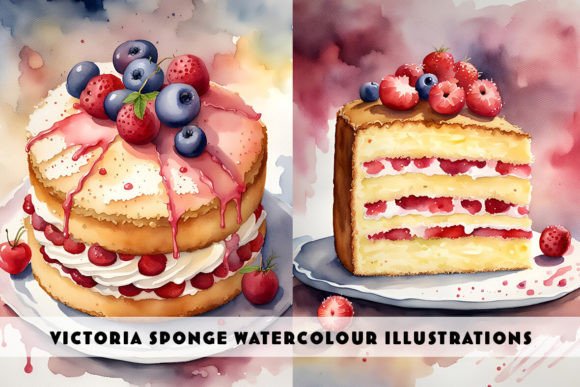
The Victoria Sponge Cake Watercolour Duo falls squarely into the Illustrations category, and it carries that distinct, soft-edged artistic quality that is currently dominating the handmade market. Unlike rigid vector art, watercolour styles rely on subtle color blending and organic shapes. My first impression was that this design captures a nostalgic, cottage-core mood perfectly. However, as an embroiderer, I immediately looked for how those watercolour washes were interpreted digitally. A successful embroidery file in this style must balance fill stitch coverage with enough texture to mimic paint without becoming bulletproof stiff.
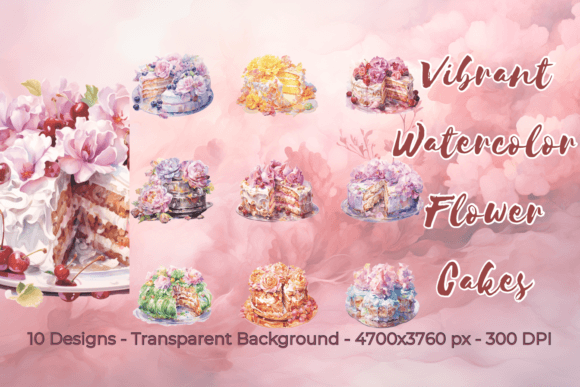
Visually, the duo format offers excellent versatility. Having two complementary cake illustrations allows for balanced layouts on larger items like pillow covers or tote bags, while each individual cake can stand alone for smaller applications. The color palette appears warm and inviting, suggesting it will pair beautifully with cream, pastel, or natural linen backgrounds. For an Etsy seller or boutique owner, this visual warmth is crucial; it signals "handmade" and "artisanal" rather than mass-produced, which directly impacts perceived product value and buyer engagement.
Real-World Application: Stitching for a Bakery Capsule Collection
To truly evaluate this design, I mentally placed it into a specific project scenario: creating a capsule collection of embroidered aprons and tea towels for a local artisanal bakery client. This is a common request for commercial embroidery projects where durability and legibility are as important as aesthetics.
For the apron chest placement, the Victoria Sponge Cake Watercolour Duo serves as an ideal focal point. In this context, I would treat the design as a potential applique design hybrid if the stitch count is high, or rely on varied stitch density to create depth. On a canvas apron, the textured fabric helps hide minor registration shifts that can sometimes occur with complex watercolour shading. The design’s organic edges are forgiving here; unlike geometric logos where a 1mm shift is glaring, the painterly style of this cake illustration absorbs slight imperfections, making it a safer bet for production runs on textured goods.
For the tea towels, I considered the drape and washability. Tea towels face frequent laundering and abrasion. Here, the thread colors chosen for the Victoria Sponge Cake Watercolour Duo must be colorfast, and the stabilizer choice becomes critical. I would recommend testing on scrap fabric with a medium-weight cutaway stabilizer to prevent puckering on the lighter cotton. The goal is a finished product that feels soft against the hands, not a stiff patch of thread that ruins the towel's functionality. If the design uses excessive layering to achieve the watercolour effect, it might be too dense for a lightweight tea towel, so checking the density map before stitching is non-negotiable.
Navigating Fabric Limitations and Hoop Constraints
While the Victoria Sponge Cake Watercolour Duo is versatile, it requires careful consideration regarding substrate selection. Watercolour-style embroidery generally struggles on highly stretchy fabrics unless properly stabilized. If you are planning sweatshirt embroidery or placing this on a knit t-shirt, you must use a fusible mesh stabilizer and potentially a topping to keep the stitches from sinking into the fabric pile. The intricate details typical of Illustrations can get lost on fleece or heavy knits, so this design likely performs best on stable wovens like denim, canvas, linen, or quilting cotton.
Hoop size is another practical constraint. Because this is a "duo," users might be tempted to stitch both cakes in a single hooping. However, always verify the dimensions against your machine’s maximum sewing field. Crowding a large design into a hoop that is barely big enough leads to tension issues and distorted corners. If you are working with a standard 4x4 hoop, you will likely need to split the duo into separate designs. Additionally, be wary of using this on dark fabrics. Watercolour designs often utilize light thread colors to simulate transparency. On black or navy fabric, these delicate shades may lack contrast or require a white underlay base, which significantly increases stitch count and stiffness. Always test on a dark scrap first to ensure the mood remains light and airy rather than chalky.
Designer Notes for Professional Results
Before listing any item featuring the Victoria Sponge Cake Watercolour Duo in your shop or delivering it to a client, adhere to these professional checkpoints:
- Test Stitch on Target Fabric: Never assume a digital file is perfect. Stitch out the design on the exact fabric you intend to sell. Check for gaps between outlines and fills, especially in the curved areas of the cake layers.
- Evaluate Stabilizer Pairing: For a tote bag design, use tear-away or cutaway depending on the canvas weight. For baby embroidery or delicate linens, opt for soft mesh cutaways to maintain drape and comfort.
- Check Licensing for Commercial Use: As a craft business owner, confirm whether your purchase includes rights for selling finished physical products versus digital assets. Never resell the digital embroidery file itself unless explicitly permitted.
- Mockup Accuracy: When creating a printable mockup for your listings, do not simply overlay the image. Use realistic distortion tools to show how the design wraps over seams or curves, especially for caps or stuffed items. Honest representation builds customer trust.
- Thread Color Matching: Watercolour effects depend heavily on gradient transitions. Verify that your thread brand matches the digitizer’s intended palette. Substituting a bright red for a muted terracotta can completely alter the vintage aesthetic of the Victoria Sponge Cake Watercolour Duo.
- Detail Clarity Check: Inspect small elements like sprinkles or cherry stems. If they are merely running stitches, they may disappear on textured fabrics. You may need to manually adjust thickness or add a satin stitch border for definition in production environments.
Final Verdict on Value and Versatility
The Victoria Sponge Cake Watercolour Duo represents a strong asset for makers focusing on the culinary, nursery, or vintage aesthetic niches. Its strength lies in its emotional resonance; it evokes comfort and celebration, making it highly suitable for holiday embroidery, wedding gifts, or bakery branding. However, its success depends entirely on the maker's technical diligence. It is not a "set and forget" design for every fabric type. It demands respect for stabilization, proper hooping, and thoughtful color selection.
For the small shop product lineup, this design offers high perceived value because it looks custom and artistic rather than generic. Whether you are creating a personalized gift for a grandmother who loves baking or developing a signature line of kitchen textiles, this illustration provides a beautiful foundation. Just remember that in embroidery, the screen is only a promise; the stitch out is the truth. By testing thoroughly and respecting the technical requirements of watercolour-style digitizing, you can transform this digital art into a profitable, professional-grade tangible product that delights customers and stands up to real-life use.