Auto Racing Watercolor Clipart: An Embroidery Review
As a professional embroidery designer and product reviewer, I approach every new digital asset with a specific question: will this actually stitch out beautifully on fabric? When evaluating Auto Racing Watercolor Clipart, my first impression was immediately positive regarding its artistic merit. The soft, blended aesthetic of watercolor illustrations offers a refreshing departure from the rigid, high-contrast vector art typically associated with motorsport themes. However, translating the fluid nature of watercolor paint into the structured world of machine embroidery requires careful consideration. This review breaks down how these illustrations perform when converted into a tangible handmade product, specifically focusing on real-world application for craft business owners and apparel decorators.
First Impressions and Artistic Translation
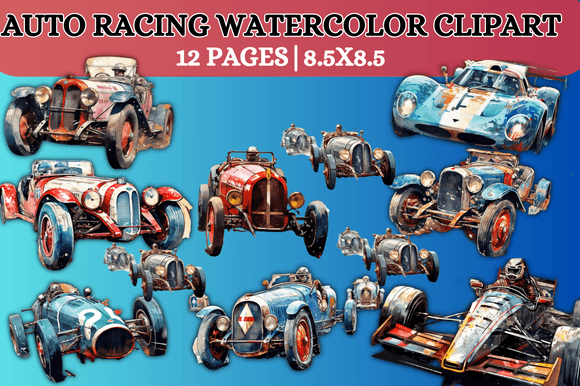
The visual personality of this Auto Racing Watercolor Clipart collection strikes a unique balance between vintage nostalgia and modern softness. Unlike aggressive racing logos that rely on sharp satin stitch borders and heavy fill stitch areas, these illustrations suggest motion through color gradients and organic shapes. For an embroidery project, this mood is incredibly versatile. It feels less like corporate merchandise and more like boutique apparel or personalized gift ware. When I look at these design assets, I see potential for nursery decor, retro-style tote bag designs, and custom apparel that appeals to fans who appreciate aesthetics over branding.
However, as illustrations, they present a specific challenge for digitizing. Watercolor relies on transparency and bleeding edges, whereas embroidery thread is opaque and textured. To successfully use this clipart, one must understand that the final embroidered patch or sweatshirt embroidery will be an interpretation, not a replica. The charm lies in using running stitch details to mimic brush strokes and varying thread colors to create depth without excessive stitch density.
Real-World Application: The Custom Sweatshirt Test
To truly evaluate this product, I mentally walked through a recent client request: a custom embroidered sweatshirt for a local car club’s family picnic. They wanted something distinct from their usual racing team uniforms. This is where Auto Racing Watercolor Clipart shines. Instead of a dense logo that makes the garment stiff and heavy, the watercolor style allows for a lighter, more breathable design.
In this scenario, I envisioned placing the illustration on the left chest of a heather grey sweatshirt. The soft edges of the watercolor art blend naturally with the fabric texture, making the embroidery feel integrated rather than pasted on. For Etsy sellers and small shop product creators, this application increases perceived value. Customers are increasingly seeking unique, artistic representations of their hobbies rather than generic clipart. Using these illustrations for holiday embroidery or baby embroidery also opens up a demographic that finds traditional racing gear too harsh. A watercolor race car on a bib or blanket feels safe, sweet, and highly giftable.
Navigating Fabric Choices and Stabilizer Needs
While the aesthetic is forgiving, the technical execution demands respect. Because watercolor art often involves subtle shading, your choice of stabilizer is critical. On stretchy fabrics like jersey knits used for t-shirts or baby clothes, you must use a high-quality cut-away stabilizer to prevent the design from distorting. The organic lines of Auto Racing Watercolor Clipart will look messy if the fabric puckers.
I advise caution when using these illustrations on highly textured fabrics like terry cloth towels or thick fleece. The delicate details inherent in watercolor styles can get lost in the pile. These designs perform best on smooth, tight-weave surfaces such as cotton twill, denim, or poplin. If you are creating a tote bag design, opt for a medium-weight canvas that provides a stable foundation for the fill stitch variations required to mimic the painted look. For dark fabrics, remember that watercolor effects often rely on light backgrounds; stitching white underlay is essential to maintain color vibrancy and contrast.
Technical Considerations for Digitizers and Makers
For those converting this clipart into a machine embroidery design file, pay close attention to stitch density. Watercolor implies lightness, but embroidery adds weight. Over-digitizing these illustrations to capture every shade gradient will result in a bulletproof patch that cracks after washing. Instead, utilize blending techniques and thread color changes to suggest depth. Check whether your embroidery file uses adequate underlay to support top stitches without adding unnecessary bulk.
Small hoop sizes present another hurdle. Intricate watercolor details may not register clearly in a 4x4 hoop. Before committing to a production run, test the design on scrap fabric at your intended size. Inspect small lettering or fine line work; if the running stitch disappears into the weave, simplify the artwork. As a commercial embroidery provider, I always recommend testing in black and white mockups first to ensure the values translate correctly before selecting specific thread colors.
Commercial Viability and Brand Consistency
For creative entrepreneurs and digital product sellers, understanding the licensing and commercial utility of Auto Racing Watercolor Clipart is paramount. Always confirm licensing terms before selling finished items or using the art in printable mockups for your listings. Assuming these are cleared for commercial use, they offer excellent brand consistency for shops focusing on automotive lifestyle products rather than performance gear.
These illustrations elevate the professionalism of your shop by offering variety. A cohesive collection of watercolor racing art can tie together disparate products—from aprons to caps—creating a recognizable boutique brand identity. Buyer engagement often spikes when customers see familiar themes presented in novel ways. Just ensure your product photography accurately represents the stitched texture; digital previews should never promise a print-like finish that thread cannot achieve.
Practical Designer Notes for Success
Before launching this Auto Racing Watercolor Clipart into your next collection, adhere to these practical guidelines:
- Test Stitch First: Never skip the test sew-out. Verify that the stitch density suits your chosen fabric and that the watercolor effect reads clearly from a distance.
- Thread Color Contrast: Select thread colors that complement each other to simulate blending. Matte threads often replicate watercolor better than high-sheen rayon.
- Hoop Size Verification: Ensure the design fits comfortably within your hoop with adequate margin for stabilization. Do not force a large illustration into a small hoop by shrinking it beyond legibility.
- Fabric Compatibility: Match the design complexity to the fabric smoothness. Save the most detailed versions for woven cottons and simpler adaptations for knits.
- Licensing Check: Review the specific terms for both physical product sales and digital asset usage to protect your business.
- Maintenance Advice: Include care instructions with your finished product. Watercolor-style embroidery benefits from gentle washing and air drying to preserve the delicate stitch structure.
Ultimately, Auto Racing Watercolor Clipart represents a beautiful opportunity to expand beyond traditional motorsport merchandise. By respecting the technical limitations of thread and fabric while embracing the artistic softness of the source material, makers can create stunning, high-value items that resonate with a broader audience. Whether you are crafting a personalized gift or stocking an Etsy shop, this artistic approach brings a human touch to a high-speed hobby.