Best Friends Clipart: An Embroidery Review
As a professional embroidery designer and product reviewer, I approach every new digital asset with a critical eye. When evaluating the Best Friends Clipart Watercolor Graphic, my first thought isn't just about how pretty it looks on a screen; it is about how those soft, blended pixels will translate into physical thread. For makers, Etsy sellers, and apparel decorators, the gap between a digital illustration and a finished embroidered product is where profit margins and customer satisfaction live or die. This review breaks down the practical realities of using this specific graphic for real-world machine embroidery projects, moving beyond basic aesthetics to discuss stitchability, fabric compatibility, and commercial viability.
Translating Watercolor Aesthetics to Thread
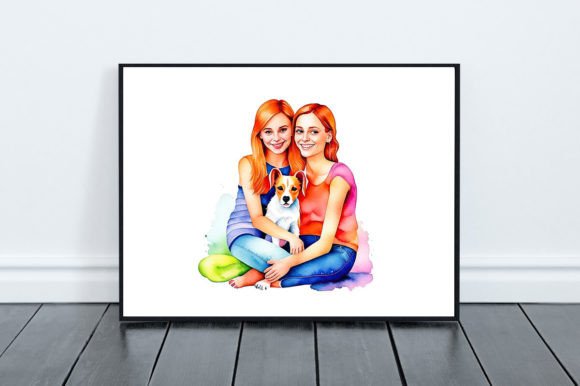
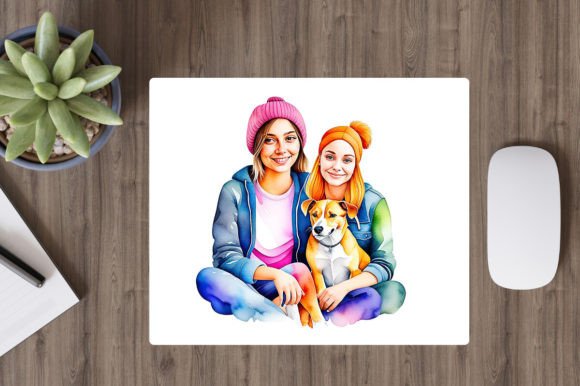
The immediate appeal of the Best Friends Clipart Watercolor Graphic lies in its organic, hand-painted feel. In the realm of digital illustrations, watercolor styles evoke warmth, nostalgia, and intimacy, making them ideal for themes of friendship and connection. However, as an embroidery file source, watercolor presents unique challenges. Unlike vector art with hard edges, watercolor relies on gradients and transparency. When digitizing this graphic for a machine embroidery design, you cannot simply use an auto-digitize feature and expect quality results.
To capture the essence of this artwork, the digitizer must interpret color blending through thread layering. This often requires complex fill stitch patterns with varying densities to mimic the wash of paint. If the original graphic has very subtle fades, you may need to simplify the color palette during digitization to avoid excessive thread changes or muddy stitching. The visual personality of this clipart suggests it belongs on items that celebrate relationships, but the technical execution determines whether it looks like a high-end boutique item or a homemade craft project.
Real-World Application: The Custom Sweatshirt Test
To truly evaluate this asset, I mentally placed it in a specific production scenario: creating a custom embroidered sweatshirt for a bridal party or best friend duo. Sweatshirts are a staple for Etsy sellers and small shop product lines because they offer a large canvas and high perceived value. Fleece and French terry fabrics have texture and pile, which can swallow fine details.
In this context, the Best Friends Clipart Watercolor Graphic performs best when sized appropriately. If scaled too small on a textured sweatshirt, the watercolor edges will get lost in the fabric nap. I recommend keeping the design above 4 inches in width to maintain clarity. For this application, using a cutaway stabilizer is non-negotiable to prevent the heavy stitch density required for watercolor effects from distorting the garment. The result, when executed correctly, is a premium handmade product that feels soft and artistic rather than stiff and industrial. Customers react positively to this style because it mimics hand-painting, elevating the perceived value of the custom apparel.
Navigating Fabric Limitations and Hoop Constraints
While this graphic shines on stable knits, caution is required for other substrates. As an experienced reviewer, I must highlight where this design type struggles:
- Stretchy Fabrics: On ribbed knits or spandex blends, the dense fill stitches needed to replicate watercolor shading can cause tunneling. Always test on scrap fabric first.
- Dark Fabrics: Watercolor graphics often rely on white or light backgrounds for contrast. Stitching this directly onto black or navy fabric without a white underlay or appliqué base will result in a dark, unrecognizable mess.
- Small Hoop Sizes: If you are limited to a 4x4 hoop, intricate watercolor details may need to be removed. Do not shrink a complex illustration below its minimum legible size just to fit a hoop.
- Caps and Curved Surfaces: The flat, painterly nature of this graphic does not naturally conform to the curved structure of a hat. Distortion is likely unless specifically redigitized for cap frames.
- Frequent Washing: Items like kitchen towels or baby bibs require durable stitching. Ensure the digitized version uses adequate lock stitches and appropriate density so the "paint" doesn't unravel after laundering.
Understanding these limitations prevents wasted materials and returns. If your primary business involves baby embroidery or tote bag design, verify that the digitized version of this clipart accounts for the specific wear-and-tear of those items.
Commercial Value and Brand Consistency
For creative entrepreneurs, the Best Friends Clipart Watercolor Graphic is more than a single design; it is a branding tool. Consistency across products builds trust. If you use this style for a wedding gift line, carrying that same aesthetic through to holiday embroidery or nursery decor creates a cohesive shop identity. Buyers recognize the artistic voice, which increases engagement and repeat sales.
However, professionalism hinges on licensing and presentation. Before listing any finished product for sale, confirm the license terms of the original illustration. Does it allow for commercial embroidery? Can you use it in printable mockups for digital previews? Using assets without proper clearance risks shop suspension. Furthermore, when presenting this design to clients, use high-quality mockups that accurately represent thread sheen and texture. Misleading customers with flat digital images when the actual embroidered patch or garment has significant texture leads to dissatisfaction. Transparency about the handmade nature of the translation from digital art to thread manages expectations effectively.
Essential Designer Notes for Success
Based on my evaluation of similar watercolor-to-thread translations, here are practical steps to ensure success with this graphic:
- Verify File Specifications: Since specific stitch counts and formats vary by digitizer, always check the included documentation. Ensure the digital embroidery file matches your machine’s requirements before purchasing.
- Test Stitch Density: Run a sample on the exact fabric you intend to use. Watercolor styles can be stitch-heavy. If the sample feels like a bulletproof vest, request or create a lighter density version.
- Check Color Contrast: View the design in grayscale. If the image loses definition without color, the stitching will lack depth. Good embroidery design relies on value contrast, not just hue.
- Stabilizer Selection: Match stabilizer weight to the design density and fabric type. For this watercolor style, a medium-weight cutaway is usually safer than tear-away for maintaining edge definition.
- Mockup Accuracy: Create physical samples for photography whenever possible. Digital renderers often fail to capture the tactile quality of watercolor-style stitching, which is a key selling point for personalized gift buyers.
- Licensing Compliance: Keep records of your purchase and license agreement. This protects your craft business if platforms request proof of commercial rights for design assets.
Final Verdict for Makers
The Best Friends Clipart Watercolor Graphic offers immense potential for creating emotionally resonant, visually distinct embroidery products. Its strength lies in its ability to soften the mechanical nature of machine stitching, offering a bespoke, artistic look that appeals to modern consumers seeking meaningful commercial embroidery goods. However, it demands respect for the technical process. It is not a beginner-friendly auto-digitize candidate; it requires thoughtful interpretation of color and texture.
For the experienced digitizer or the maker willing to invest in high-quality, professionally digitized files, this graphic is a valuable addition to the catalog. It bridges the gap between digital art trends and tangible heirloom quality. By respecting fabric limitations, testing rigorously, and presenting the final work honestly, you can transform this beautiful illustration into a profitable, beloved product line that celebrates friendship in every stitch. Remember, the goal is not just to reproduce an image, but to create a lasting embroidery project that honors both the original art and the craftsmanship of your trade.